 CapyFinder
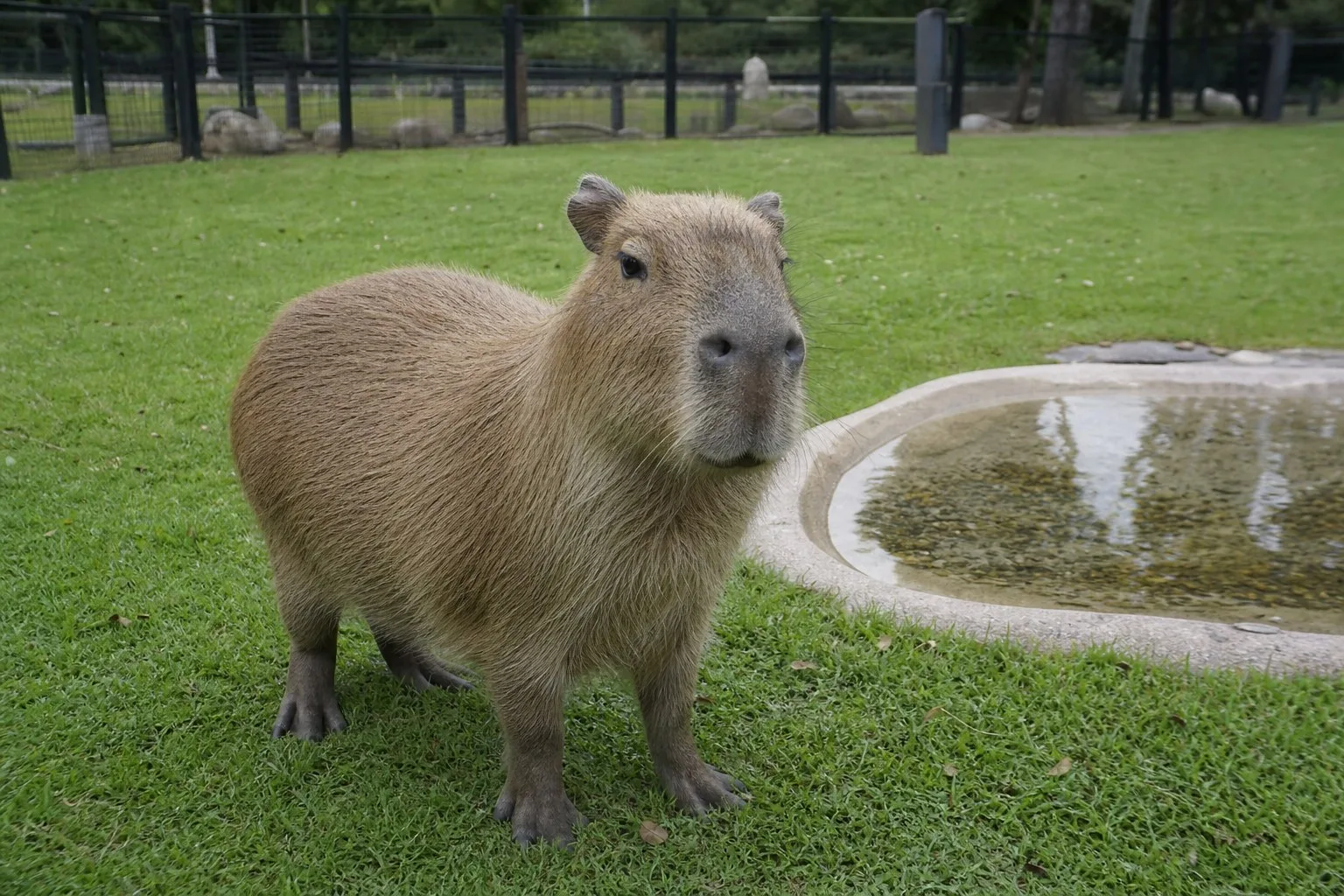
You’ve watched a capybara nap in a hot spring, seen one calmly share a pond with ducks, and now you have one question: can I have one? It’s a fair question. Capybaras are gentle, social, and endlessly chill. But owning one is a big commitment, and in many places it isn’t legal at all. Here’s a friendly, honest look at the law, what a capybara really needs, and some easier ways to get your capybara fix.
Important: This is a general overview, not legal advice. Exotic-pet laws differ by state, county, and city, and they change. HOA rules and leases can also forbid them. Always check your local laws with your state wildlife agency and local government before you even think about bringing a capybara home.
Is it legal to own a capybara in the US?
There’s no single national rule for keeping a capybara as a pet. It mostly comes down to where you live, and states take very different approaches: some don’t require a state permit, some allow capybaras only with a permit, and some don’t allow private ownership at all.
Here’s what we were able to verify for a few frequently asked-about states:
Florida: allowed with a (free) permit
Florida law says it’s unlawful to possess wildlife, native or not, without a permit from the Florida Fish and Wildlife Conservation Commission (FWC). Capybaras aren’t on FWC’s list of domestic species, so they fall under the state’s wildlife rules. Under Florida Statute 379.3762, “Class III” covers wildlife not placed in Class I or Class II, and Class III personal-pet permits are free. FWC also says personal-pet permits are only issued for animals obtained from a legal source. Free doesn’t mean optional. You need the permit before you have the animal.
Texas: often cited as permissive, but check locally
Texas is commonly described as one of the easier states, with no state-level permit required for capybaras. However, cities and counties can set their own exotic-animal rules, and those can be stricter. Call your city animal services office before assuming anything.
California: not allowed
California is widely reported to restrict capybaras as pets under its restricted-species regulations (Title 14, Section 671 of the California Code of Regulations), with no permit available for private pet ownership.
Everywhere else
Many other states either require permits or don’t allow capybaras at all, and online “legal state” lists often disagree. Treat any list as a starting point only. Your state wildlife or natural resources agency is the source that counts, and local ordinances can still say no even when the state says yes.
What a capybara actually needs
Even where it’s legal, a capybara is not a big guinea pig you keep in the living room. Here’s what responsible care involves:
- Water, and lots of it. Capybaras are semi-aquatic. They swim, cool off, and feel safe in the water, so a pool or pond big enough to submerge in is a must, not a bonus.
- Space to roam. These are large animals that graze. They need a big, secure outdoor area with grass, shade, and shelter from cold weather.
- Company. Capybaras are highly social and live in groups in the wild. A lone capybara can get lonely and stressed, which is why experts often recommend keeping more than one. That doubles everything else on this list.
- A grazing diet. Their diet is based on grass and hay, plus appropriate vegetables. Like guinea pigs, capybaras need vitamin C in their diet.
- An exotic-animal vet. Many vets don’t treat capybaras. Find one before you commit, and budget for check-ups and emergencies.
- A long commitment. A capybara can live for many years, so you’re signing up for long-term care, not a phase.
- Escape-proof fencing. They’re surprisingly good at finding gaps, and an escaped capybara is a problem for you and the local ecosystem.
Add up the land, the pool, the fencing, the food, the vet bills, and a second capybara, and the true cost is far beyond the purchase price.
Better ways to enjoy capybaras
Here’s the happy news: you don’t need to own a capybara to spend quality time with one. Visiting lets you enjoy them while trained staff handle the round-the-clock care.
Book a capybara cafe or encounter
- The Capybara Café (St. Augustine) and The Capybara Café (St. Petersburg) in Florida run guided, small-group sessions where you can pet and feed capybaras.
- CapyFriends Cafe at North Georgia Wildlife Park is another cafe-style option on CapyFinder.
Support a sanctuary
Sanctuaries and rescues give homes to animals, including exotic pets that didn’t work out. Consider visiting or donating to:
- North Florida Wildlife Center in Lamont, Florida
- Action Wildlife Foundation
- Nurtured by Nature
Visit a zoo
Watching a capybara family graze and nap together is pure joy. Try San Diego Zoo, Brevard Zoo, Nashville Zoo, or Dallas Zoo, or browse all of our locations to find capybaras near you.
Bring the vibe home
Capybara plushies, books, a zoo membership, or “adopting” an animal through a zoo or sanctuary program give you all the cozy feelings without the pond-digging.
The bottom line
Can you own a capybara? In some places, with permits and plenty of land, water, money, and patience, yes. In many places, no. For most capybara fans, the kindest and most fun choice is to visit them, support the people who care for them, and leave the 24/7 pool maintenance to the pros.
FAQ
Is it legal to own a capybara in my state?
It depends on your state and your local rules. Florida requires a free Class III permit from FWC, Texas is often described as not requiring a state permit, and California is widely reported to prohibit it. Check with your state wildlife agency and city or county before acting.
Do I need a permit for a capybara in Florida?
Yes. Florida law requires an FWC permit to possess wildlife, and the Class III personal-pet permit is no-cost. The animal must come from a legal source.
Can a capybara live indoors like a dog?
Not really. Capybaras need outdoor space to graze and water to swim in. A house alone can’t meet their needs.
Can I keep just one capybara?
Capybaras are very social, and keeping a single one can leave it lonely. Many experts recommend more than one, which raises the space and cost.
What’s the best alternative to owning a capybara?
Visit one! Book a session at a capybara cafe like The Capybara Café (St. Petersburg), or support a sanctuary like North Florida Wildlife Center.


0 comments
No comments yet. Be the first — comments are reviewed before they go live.